

Cottage Industries
The House of Artisanal Aromatics.
Since 1949 we have made incense by hand for Sri Aurobindo Ashram, Pondicherry. Today our fragrances reach Ashram centres, devotees and homes across India and abroad.
- 1949Founded under The Mother's guidance
- 1973First export to devotees abroad
- 98%Natural ingredients in our incense
- By handEvery stick rolled in Pondicherry
Since 1949
The Beginning
Cottage Industries began in 1949, under the guidance of The Mother. Its first task was a simple one: to make incense sticks and mats for Sri Aurobindo Ashram. What was left over went to devotees.
The care that went into those first sticks set the standard we still keep. Our Heritage line begins with No. 11, Mattipal. It took eleven attempts before it won The Mother’s approval.
Word travelled. Devotees abroad asked for our incense, and in 1973 the first export left Pondicherry.
- 1949Cottage Industries begins, making incense sticks and mats for the Ashram.
- Early yearsMattipal, No. 11, approved by The Mother after eleven attempts.
- 1973First export, to devotees abroad.
- TodayA unit of Sri Aurobindo Udyog Trust, still making everything by hand.
Cottage today
The Present
We are a unit of Sri Aurobindo Udyog Trust. The work is still done by hand, in Pondicherry, with the same care as in 1949.
What we make
From everyday incense packs to gift boxes, candles set with real dried flowers, and soaps made without animal fat.
- 40incense fragrances
- 4forms: sticks, cones, cups and bambooless
- 21soaps in 2 ranges, Devotion and Caress
- 5shampoos, body washes, lotions and handwashes
- 17candle designs
We also make sachets and potpourri, gift sets, and handmade wood, stone and terracotta pieces.
Who we serve
Ashram centres in India and around the world, who order in bulk. Devotees and visitors to Pondicherry. And homes everywhere that want a fragrance made with care.How we work
Simply. Where we can, we avoid industrial methods, use recycled materials and choose nature-friendly ways of working. We aim for quality and fair value, not volume.How our incense is made
The Art of Incense Making
-
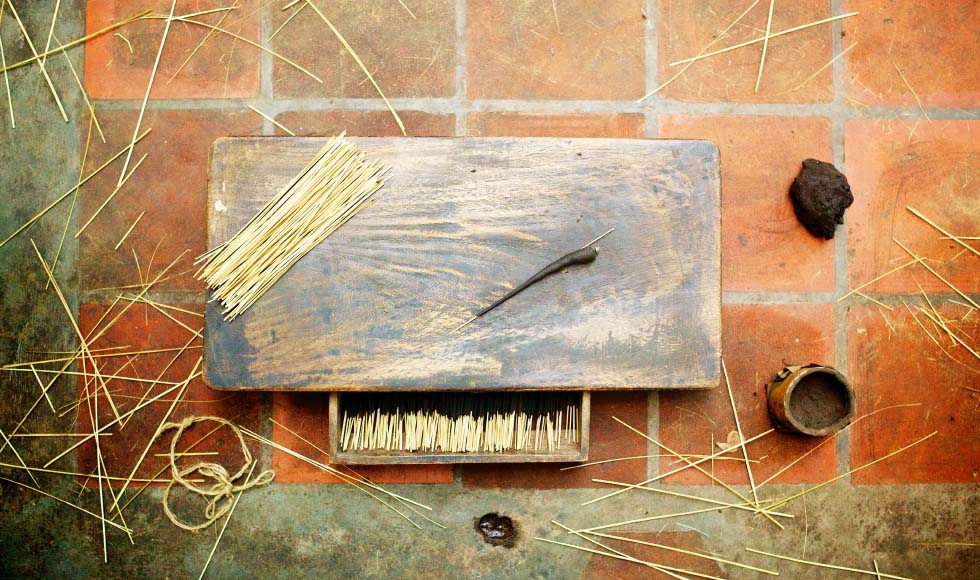
Step 1
The workbench
A wooden board, a bundle of thin bamboo slivers and a ball of masala: everything a roller needs.
-
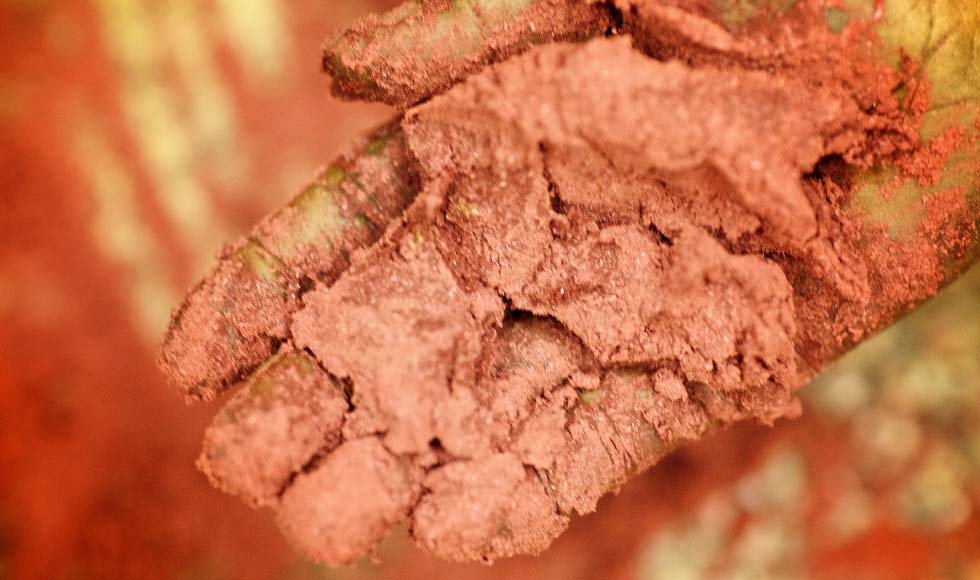
Step 2
The masala
Herbs, seeds, roots, petals, bark and resins, chosen by hand, ground and blended, then held together with honey or jaggery.
What goes into the masala
- Sambrani
- benzoin resin: rich and calming
- Sandalwood powder
- soft, warm and woody
- Mattipal resin
- binds the blend and deepens its scent
- Silaras paste
- helps the fragrance release slowly
- Koshtam root
- earthy, with a hint of spice
- Dried flowers and herbs
- floral and green notes
- Roots and spices
- warmth and staying power
-
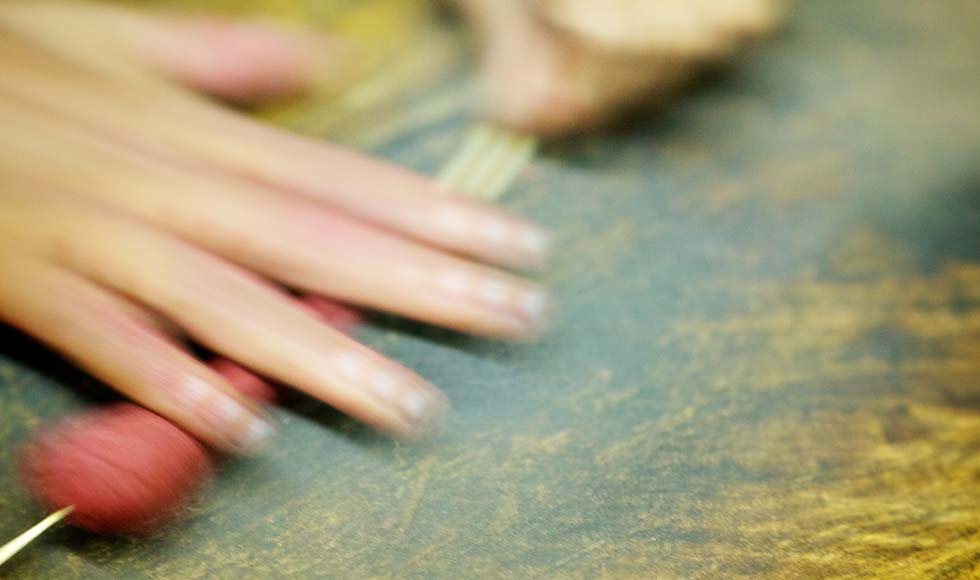
Step 3
Rolling by hand
The masala is pressed and rolled onto each bamboo sliver with the palm, with no artificial additives.
-
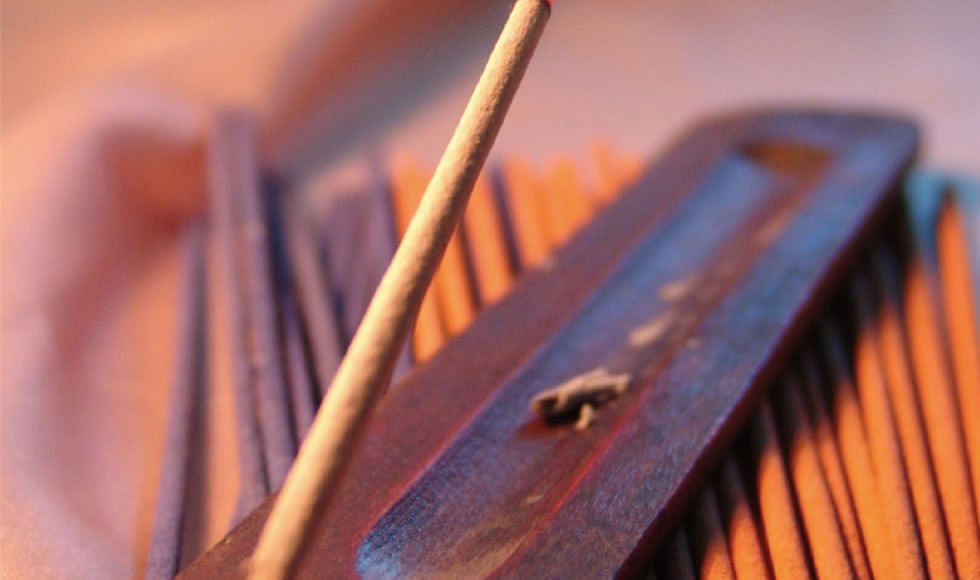
Step 4
The finished stick
Dried, sorted and packed, each stick burns slowly and lets its fragrance unfold.
Every stick passes through an artisan's hands.
A member of Fair Trade Forum – India
Fair trade, from the start
Cottage was fair trade before the words were common. From the beginning its work has been about people as much as products: giving steady, dignified work to the craftspeople of Pondicherry and the villages around it.
Over the years, machine-made incense and middlemen who buy cheap from skilled hands have pushed many artisans out of their craft or left them working for too little. Cottage chose the other way. We employ the artisans ourselves, many of them women from nearby villages, and pay them directly for work done by hand. A regular income of their own gives these women a measure of independence, and keeps an old skill alive in the hands that know it.
What fair trade means in our workshop
Fair pay, paid directly
Artisans are paid by Cottage itself, fairly and on time, with no middleman taking a share.
Work that empowers women
Most of our rollers and packers are women. Their earnings are their own.
No child or forced labour
Everyone who works with us is an adult, and works by choice.
Safe, decent workplaces
Work is done in clean, airy workshops, at a human pace.
Skills passed on
Experienced hands train new ones, so the craft is learnt, not lost.
Respect for the earth
Natural ingredients, little waste, and packaging kept simple.
When you buy from Cottage, the price you pay supports the people who made it.
What we hold to
Nature first
Over 98% natural ingredients: hand-picked herbs, seeds, oils and petals.
Made with care
Sustainable production and quality before volume.
By hand
Made by hand, from incense sticks to candles set with real flowers.
Kind to all
Soaps and skin care made without animal fat and never tested on animals.